 In 1833, John Randolph, a Virginia politician, died. He was the owner of 383 slaves. In his will, he said, “I give and bequeath to all my slaves their freedom, heartily regretting that I have ever been the owner of one.”, and he directed $8,000 of his fortune (over $250,000 today) be used to purchase land for these now freed slaves to live. This land was in Mercer County, OH. In 1846, the freed slaves arrived in Cincinnati and then took three canal boats up to New Bremen to claim their land. They were met in New Bremen by an armed mob of German settlers who would not let them off the boats. They said, “Resolved. That we will not live among Negroes, as we have settled here first, we have fully determined that we will resist the settlement of blacks and mulattoes in this country to the full extent of our means, the bayonet not excepted.” The freed people were forced back down the canal. They eventually dispersed and settled in Shelby and Miami counties. To the best of our current knowledge, these people were never given what was owed to them.
Over 175 years later, efforts are being made to remember the lives of those people and mourn how unjustly and dishonorably they were treated. One of these efforts is a traveling art exhibit – called “Freed Will: The Randolph Freedpeople from Slavery to Settlement” – coordinated by the National Afro-American Museum & Cultural Center in conjunction with the Ohio History Connection.
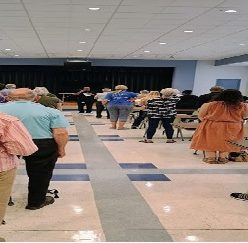
In honor of the Feast of St. Peter Claver (9/9), patron saint of slaves, the Archdiocese’s Anti-Racism Task Force organized a pilgrimage to view both this exhibit and three other notable sites (including the Black Cemetery at St. Aloysius). Over 60 people attended the pilgrimage which took place on Saturday, September 13, based at the St. Charles Center in Carthagena. Following the pilgrimage, there was Mass and a light supper. It was an eye-opening and powerful experience – everyone learned a bit more about our Ohio history and the deep wound inflicted by the sin of racism.
All are encouraged to make the trip up to St. Charles and view the exhibit. It’s on site until 10/8, and you can learn more
here.
ReCENT Articles